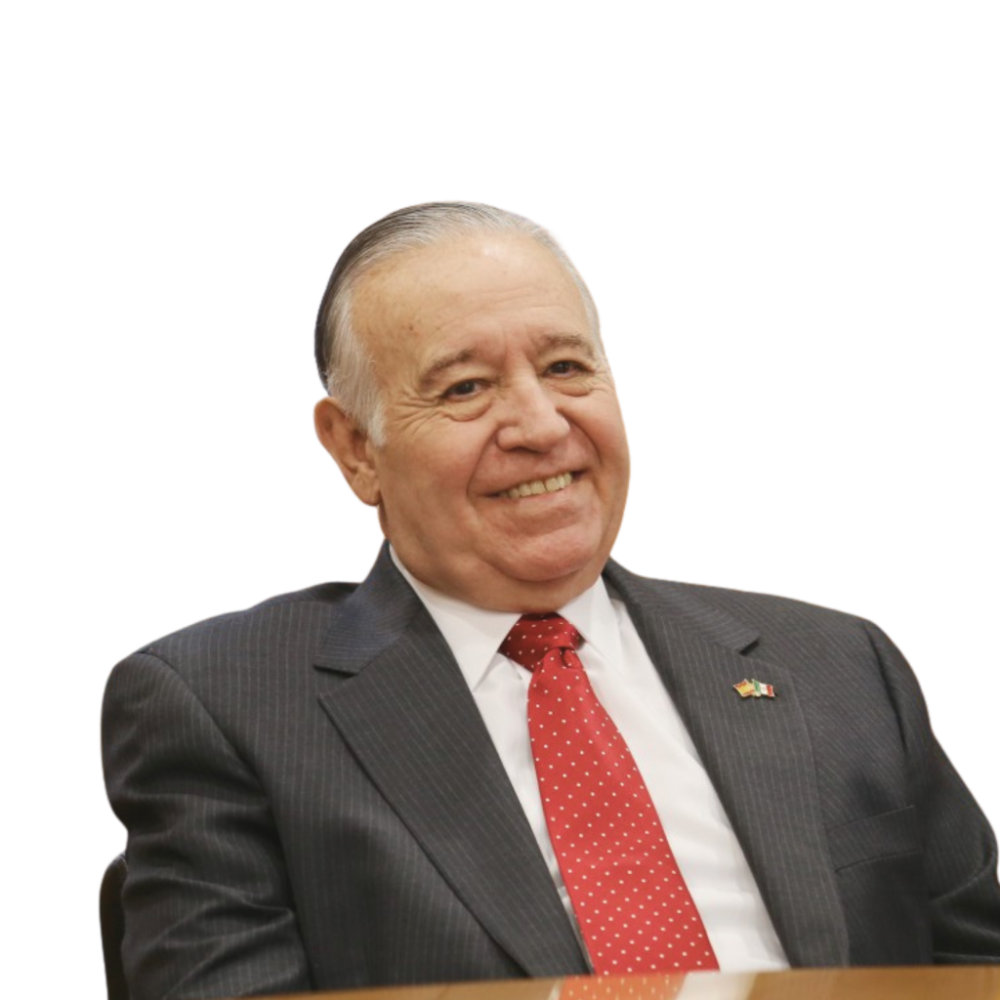
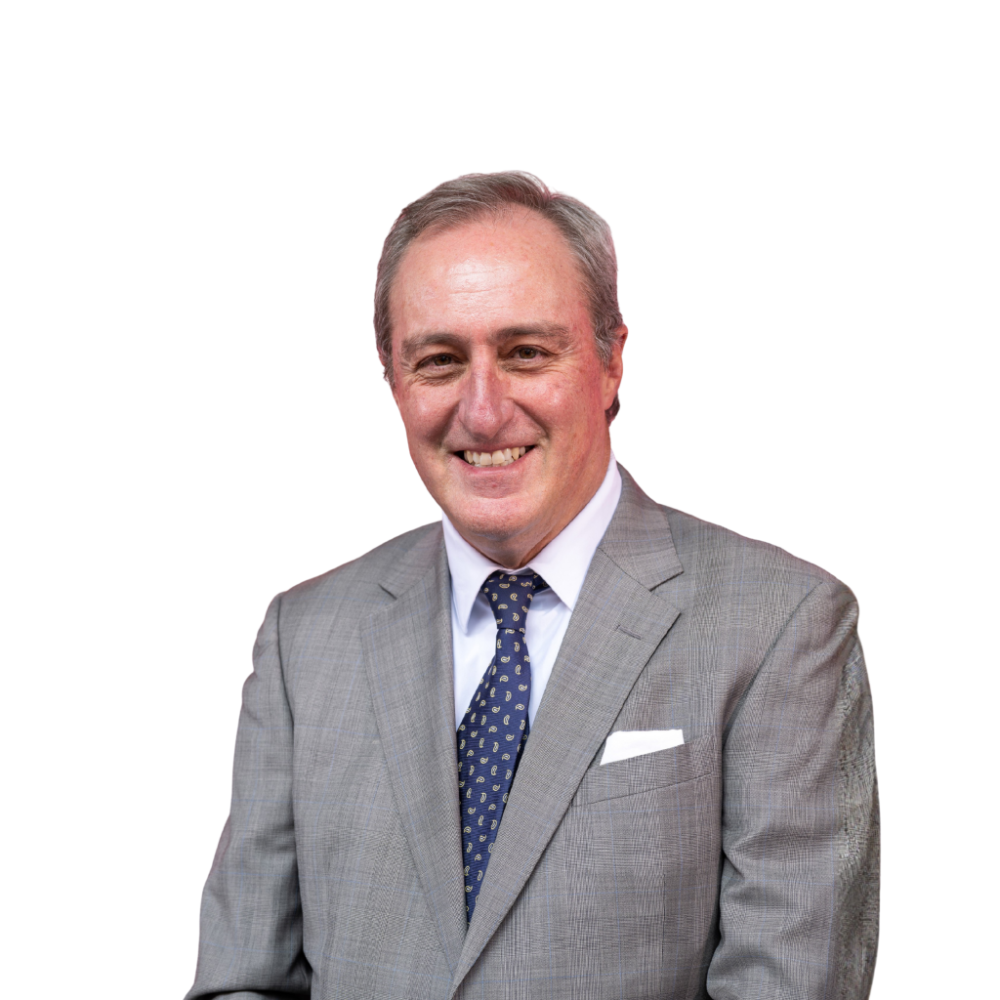
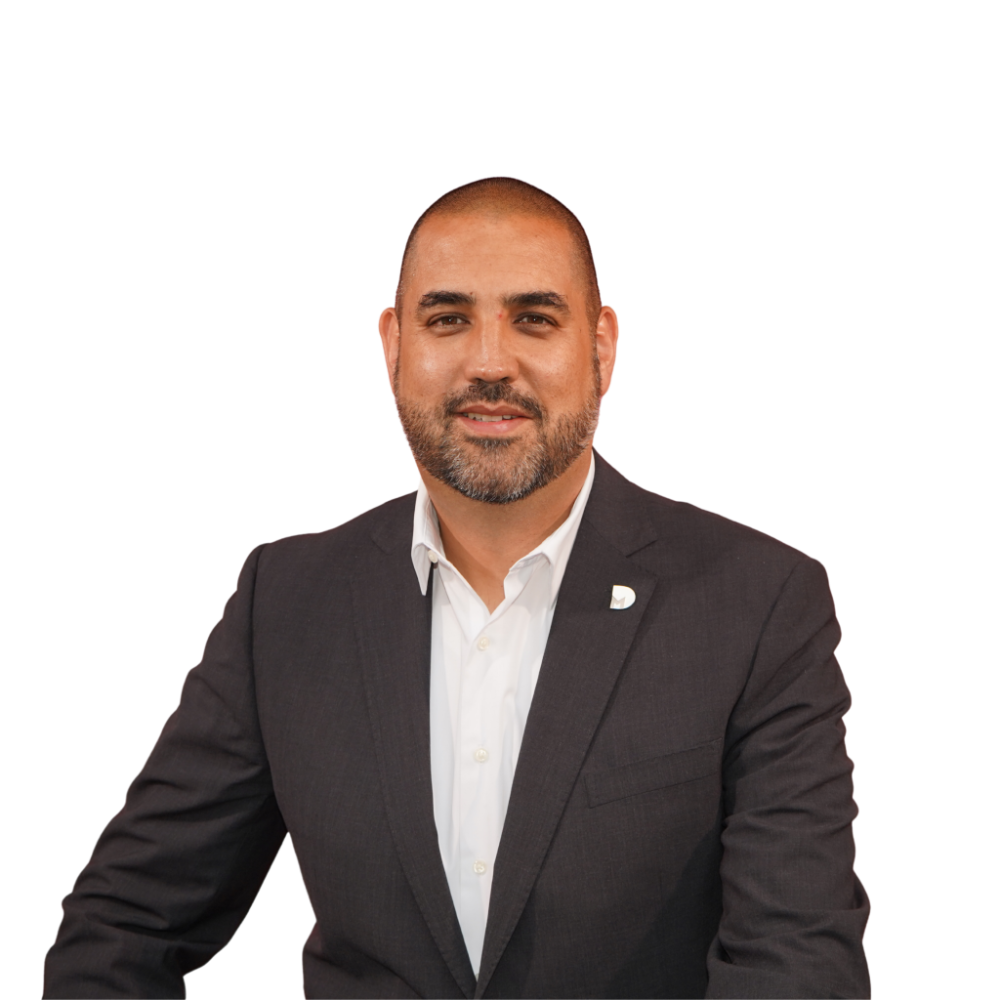
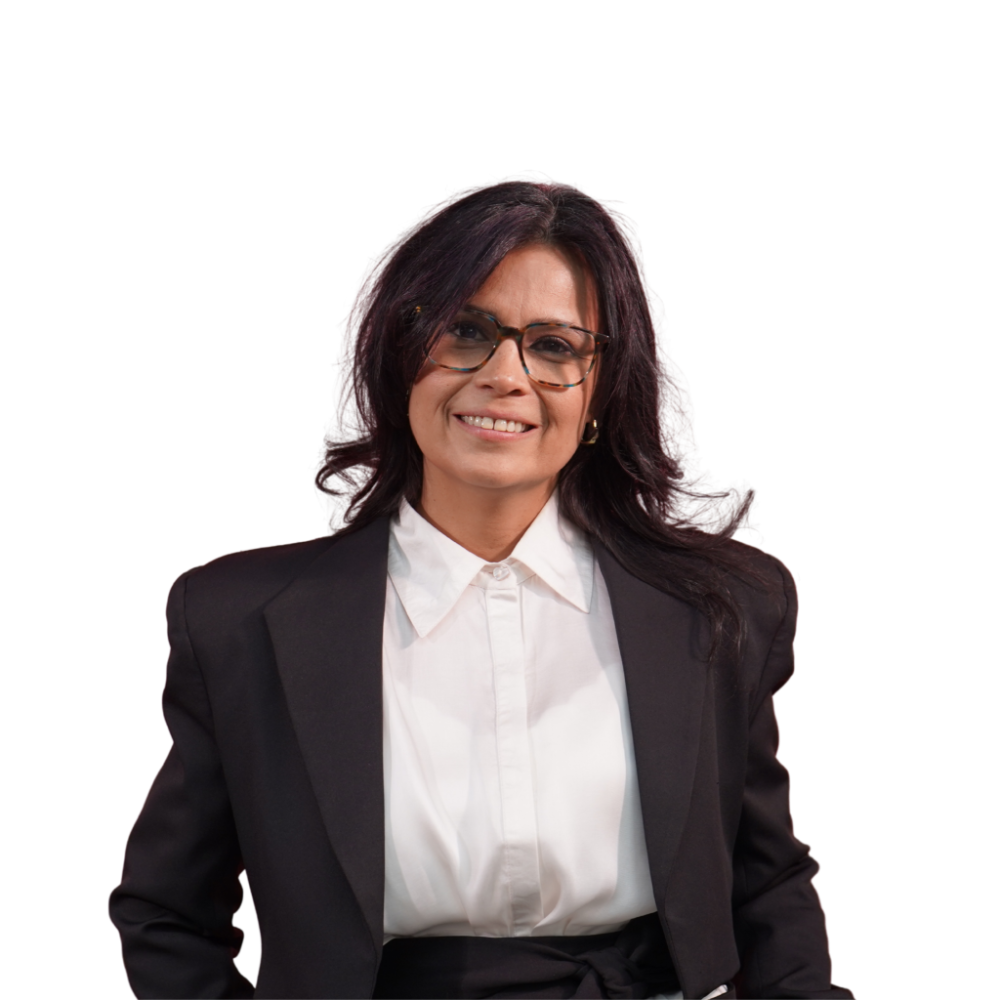
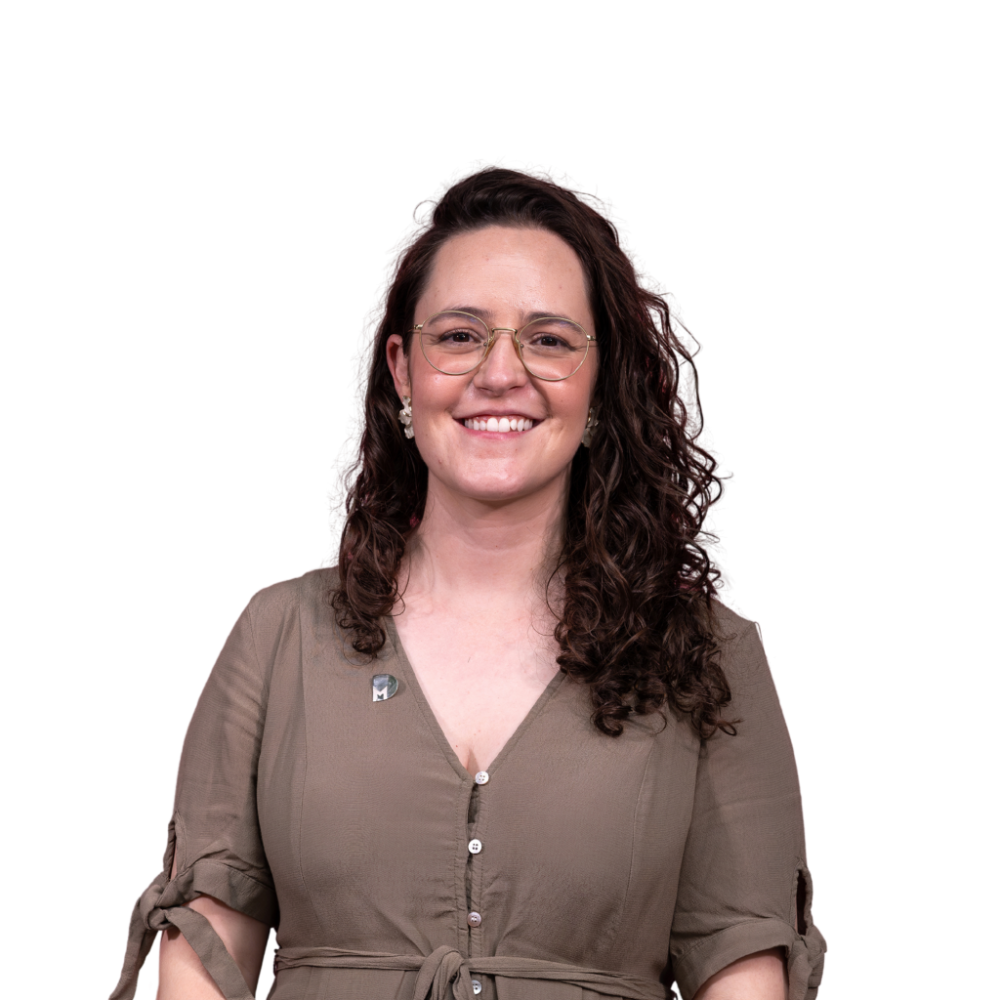
Valentín Diez Morodo’s story begins before his own. It starts in the mountains of León, Spain, which his father, Nemesio, gazed upon before crossing the Atlantic at just thirteen years old. It begins with a teenager’s decision to walk toward the unknown, hands empty but resolve full. That journey — from Portilla de la Reina to San Miguel de Allende, from the fields of León to the markets of Mexico — was more than a geographical one. It was the first thread in a network that would be woven across generations.
Don Valentín was born in Mexico City on June 1, 1940. He grew up observing. He watched his father rise before dawn, visit markets, talk with producers, negotiate with transporters, and redistribute products. He learned that commerce is not a transaction but an ongoing conversation — and that geography is not simply landscape, but a network of relationships in which every node, every person, every community, can contribute.
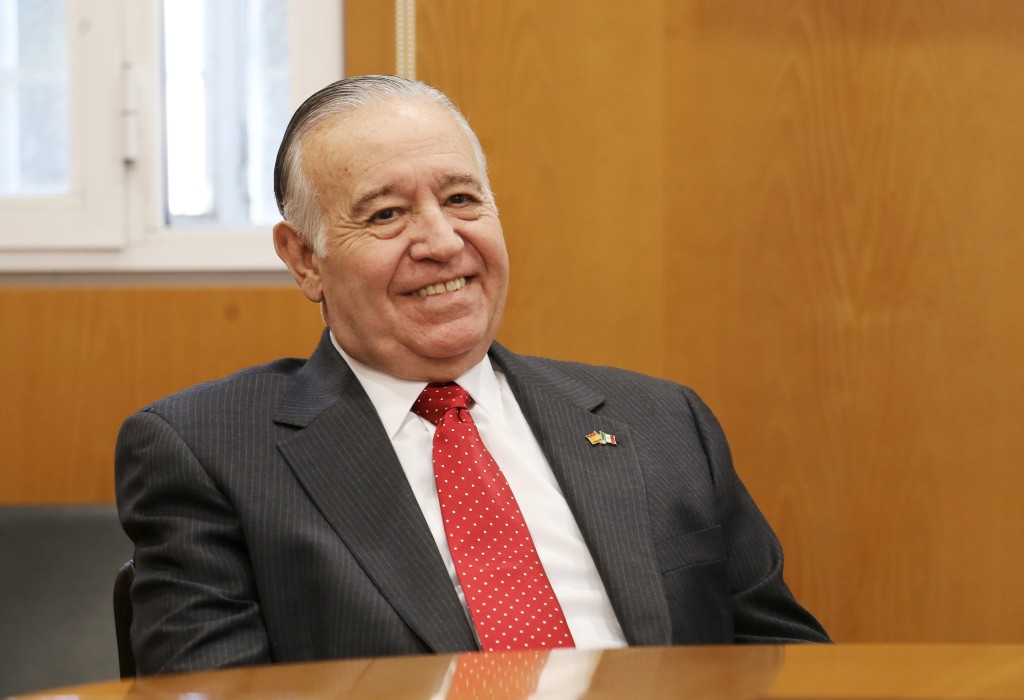
At Colegio Patria, he was never absent or late for eleven consecutive years. Not out of blind obedience, but because he understood something fundamental early on: trust is built through consistency, presence, and keeping small and large commitments alike. That understanding would become a guiding principle throughout his life.
He studied Business Administration at Universidad Iberoamericana, becoming the program’s first graduate, then traveled to the University of Michigan to study sales and marketing. But what he truly learned during those years couldn’t be found in books. He learned that knowledge gains meaning when put into practice — that theories come alive in conversations with distributors, negotiations with partners, and the building of networks that cross borders.
When Don Valentín joined Grupo Modelo in 1966, invited by Pablo Diez, he did not arrive to impose a vision. He came to continue the work his father Nemesio had begun decades earlier. Father and son traveled throughout Mexico together, and the real aim was never just to sell beer — it was to listen and build relationships.
The internationalization of Corona was, in many ways, an exercise in cultural translation. Don Valentín understood that taking a Mexican beer to the world meant opening a dialogue: each market had its own logic, its own distribution network, its own way of building trust. Corona’s success internationally grew out of patient partnership-building and careful listening to distributors who knew their countries better than anyone. His role was to bring those forms of knowledge together and help those networks grow stronger over time.
***
In 1959, at the suggestion of President Adolfo López Mateos, Nemesio Diez decided to acquire Club Deportivo Toluca — not as a business venture, but in response to an urgent need: to help young people in the State of Mexico move away from vulnerable circumstances and toward a safe, alternative path. Don Valentín inherited this project as a responsibility to the State of Mexico. The club remains a space for development, social cohesion, and shared identity for the people of the state. It reveals something central to Don Valentín’s vision: development is measured not only by economic indicators, but by a community’s capability to build better futures for itself.
In 1996, he created the Diez Morodo Foundation with a simple, founding idea: to give back to society what society had given the Diez family. It’s a fundamental premise, one that recognizes that everything the family built was possible only because Mexican society welcomed and trusted them.
Today, the Diez Morodo Foundation operates as an intermediary foundation, supporting projects across four strategic pillars: health, education, sport, and culture. It doesn’t impose projects — it strengthens those that already exist, listening to what organizations need and finding ways to support the growth of their work and impact.
The Foundation recognizes Don Valentín as a business leader, but even more so as a visionary philanthropist: a bridge-builder who understood that real change happens when multiple actors are given the right opportunities to collaborate.
Throughout his life, Don Valentín Diez Morodo has created possibilities for others to move forward. His is the story of someone who led with vision so that the networks he built could endure and evolve — perhaps the deepest form of leadership: the kind that becomes invisible because it makes shared futures possible.